Wheelchair seating assessment
Specialist assessment where wheelchair seating forms part of the provision.



Specialist clinical service
Clinical assessment, product exploration, trials, specification and review to help ensure specialist equipment is appropriate for the individual and practical within everyday life.

Specialist equipment can support comfort, posture, mobility, care, access and participation, but a product is only useful when it responds to the person’s assessed needs and works in the environments where it will be used. Our process begins with the individual rather than a preferred manufacturer or predetermined specification.
Assessment considers the intended outcomes, current provision, physical and functional presentation, care arrangements, available space, transport, compatibility with other equipment and the people who will use or support the solution.
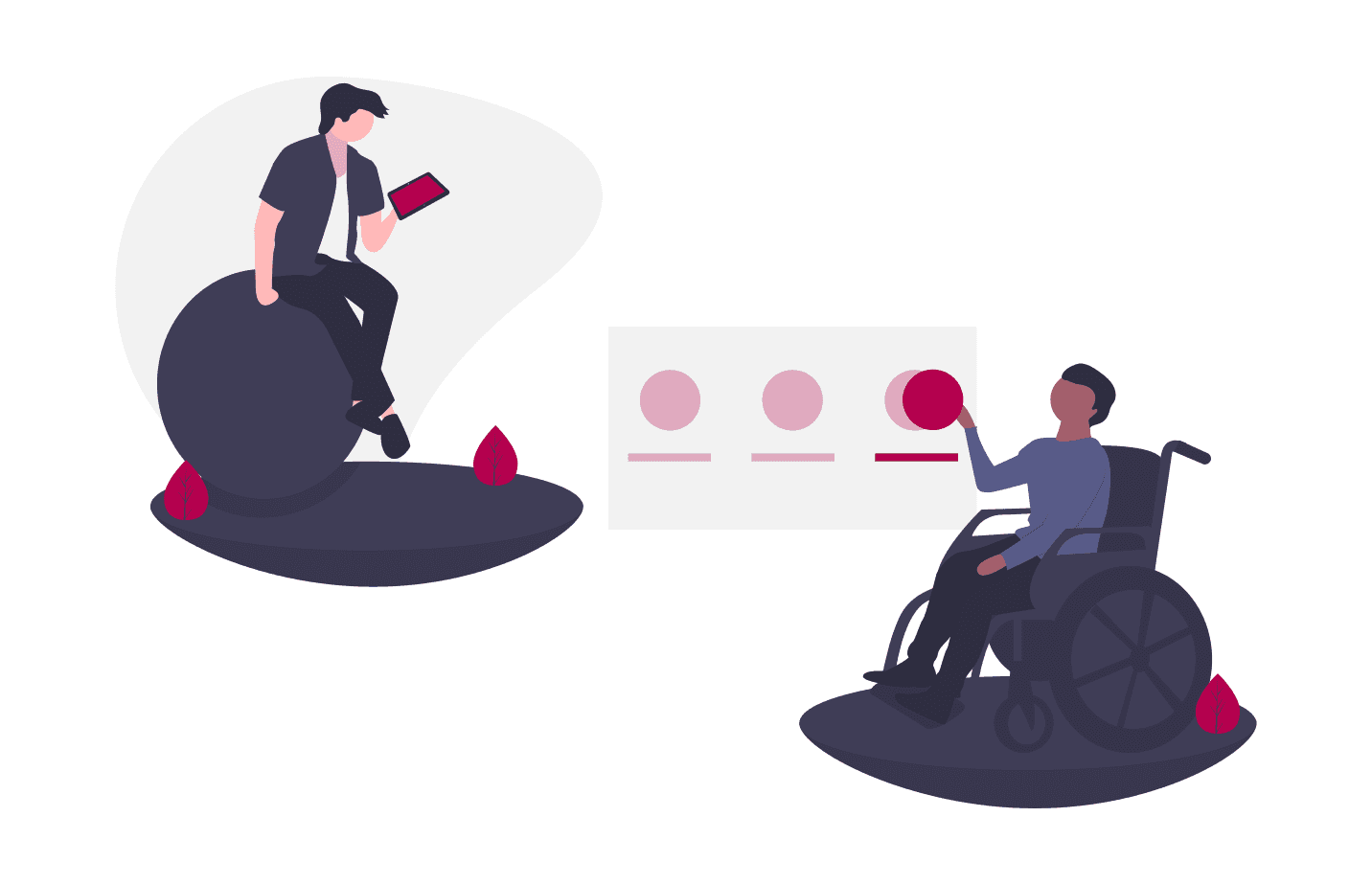
The clinician defines what the equipment needs to achieve before exploring suitable product options. Existing equipment may be adjusted or retained where it remains appropriate; new provision is not assumed to be the only answer.
Where new equipment is indicated, liaison with established suppliers helps identify options for trial. The clinical role remains independent of the sales process, with recommendations based on the person’s presentation, goals and practical circumstances.
A trial provides an opportunity to consider fit, support, comfort, function, usability and compatibility before a final decision is made. The conditions of the trial should reflect likely everyday use as closely as practical, and feedback from the individual, family, carers and relevant professionals is considered.
More than one option may be explored where this is clinically useful. Cost and availability are considered transparently alongside clinical suitability, durability and the likely support required over time.

When an option is agreed, the clinician can document the specification and reasoning needed to support procurement decisions. Responsibilities for ordering, delivery, fitting and training are clarified with the referrer, commissioner and supplier.
Final fitting matters because equipment may require adjustment once supplied. The person and those supporting them should understand its intended use, any agreed positioning approach and how to raise concerns if circumstances change.
Review can help confirm whether the intended outcomes have been achieved and whether further adjustment is needed. Growth, health or functional change, wear, changes in care and a different environment may all prompt reassessment.
This service information does not recommend a particular product for an individual. Specialist equipment decisions require appropriate clinical assessment and, where relevant, a supported trial.
Related support
Enquire
Tell us about the person’s circumstances and the support being considered. Our team can help clarify an appropriate next step.