Wheelchair seating assessment
Review seating and mobility needs that may affect vehicle decisions.



Specialist clinical service
Specialist clinical input to help ensure wheelchair seating, posture, access, transfers and related equipment are considered when a wheelchair accessible vehicle is being explored.
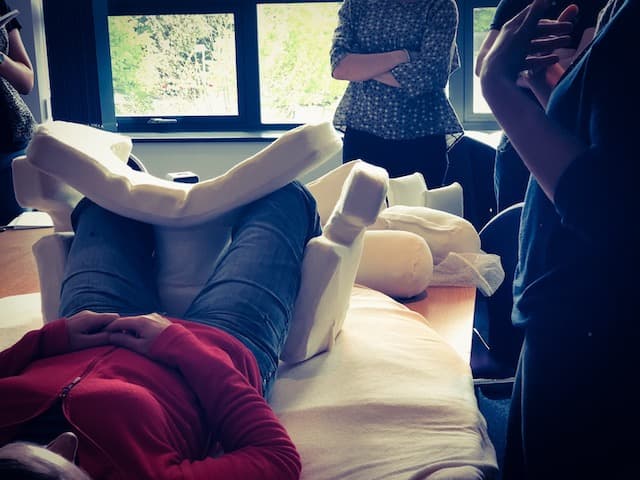
A wheelchair accessible vehicle decision involves more than whether a wheelchair will fit through the door. The wheelchair, seating system, occupant position, access method, transfers, other equipment, family or care arrangements and typical journeys all need to be considered together.
Our role is to contribute specialist clinical reasoning about the person’s posture, seating and functional needs. Vehicle design, conversion, restraint systems and legal compliance remain within the responsibilities of the appropriately qualified vehicle providers and specialists involved.

The assessment scope is agreed around the referral question. It may include how the person enters and leaves the vehicle, whether they transfer to a vehicle seat or remain seated in their wheelchair, the position and dimensions of equipment, headroom, comfort, tolerance, support needs and the practical requirements of carers or family members.
Clinical findings can be shared with the vehicle adaptation or conversion specialist so that suitable options can be explored. Joint discussion helps distinguish clinical requirements from vehicle-engineering decisions and ensures questions are directed to the professional responsible for them.
Wheel of Health works with established equipment and accessibility partners, but recommendations are based on the individual referral rather than an automatic preference for a particular supplier or vehicle.

Where possible, the individual, wheelchair and relevant equipment should be considered within the proposed vehicle arrangement before a final commitment. A trial can reveal practical issues involving access, position, visibility, communication, care delivery and everyday loading that may not be apparent from measurements alone.
Specialist providers remain responsible for advising on approved occupant restraints, wheelchair tie-downs, vehicle modifications and technical compliance. Our clinical contribution should sit alongside, not replace, that expertise.
A vehicle is a significant long-term decision. Where needs are likely to change, clinical assessment can help identify foreseeable equipment or support considerations without claiming to predict every future circumstance.
Further review may be appropriate if the wheelchair, seating, transfer method, care arrangements or physical presentation changes after the vehicle is selected.
Related support
Enquire
Tell us about the person’s circumstances and the support being considered. Our team can help clarify an appropriate next step.