Postural assessment
A detailed view of posture, body shape, function and positioning needs.



Specialist clinical service
A coordinated clinical approach to posture across sitting, lying, standing, movement and daily activity, shaped around the person’s comfort, function, participation and changing needs.
Posture does not begin and end with a wheelchair. A person’s position changes across the full day and night: in bed, during personal care, in supported or independent sitting, while standing, moving, learning, working and taking part in family life. A 24-hour approach considers how these positions relate to one another rather than treating each item of equipment in isolation.
The purpose is to develop a practical, coordinated plan that supports the individual’s priorities and can be used consistently by the people around them. Recommendations are based on assessment; they are not generic instructions and may involve existing equipment, changes to routines, trials or further specialist input.
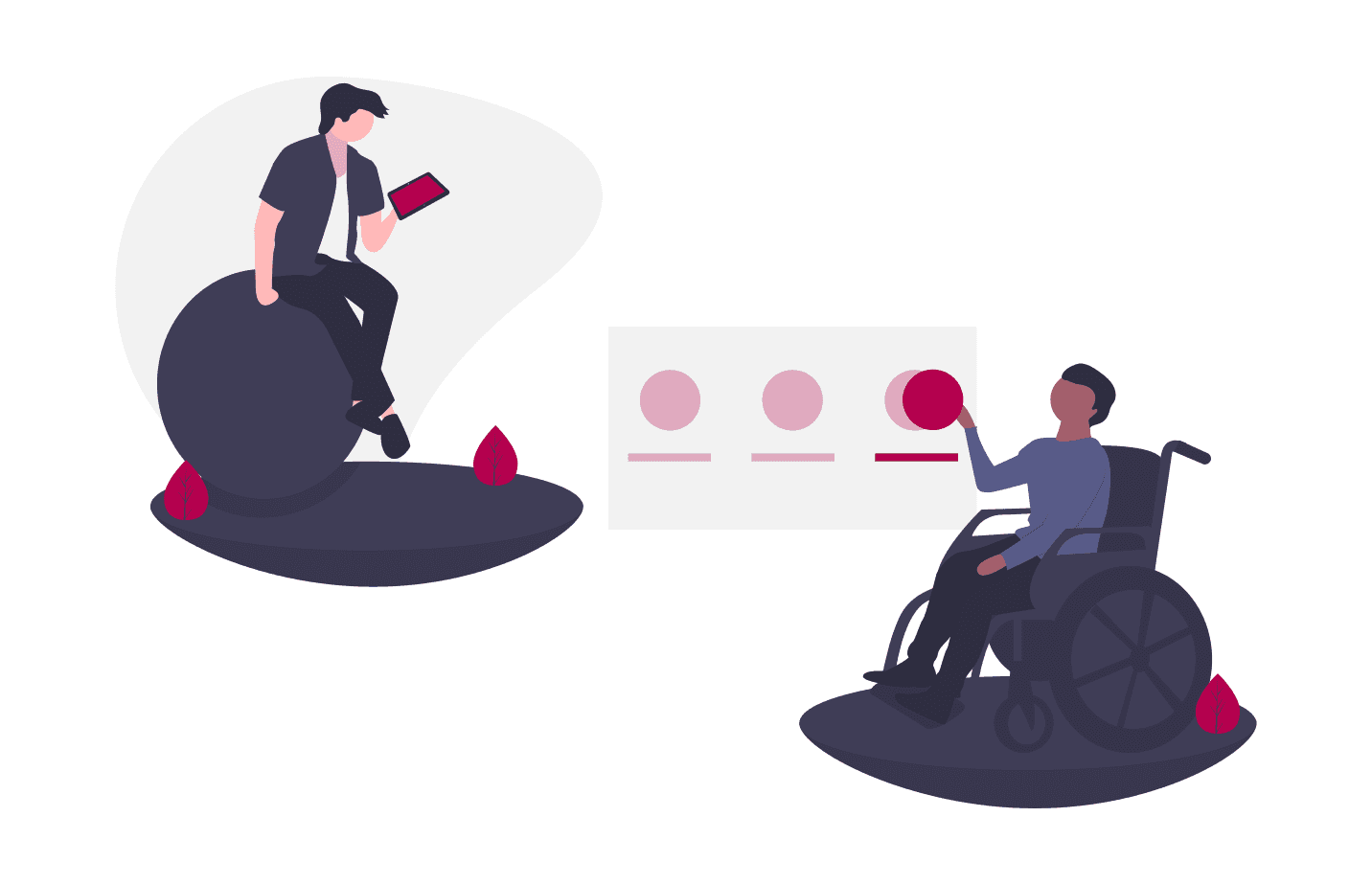
Assessment may be useful when a child or adult has multiple or complex physical needs, finds it difficult to change position independently, has developed postural asymmetry, or is experiencing changes in comfort, function or participation. It can also help where several pieces of equipment are used across different environments and a joined-up clinical view is needed.

The clinician begins with the person: their history, abilities, concerns, goals and everyday environments. Assessment may consider body shape, alignment, movement, muscle tone, skin and pressure risk information, pain, fatigue, transfers, sleep, personal care and the way support is provided throughout the day.
Current wheelchairs, seating, beds, mattresses, cushions, standing equipment and other postural supports may be reviewed where relevant. The clinician also considers what is realistic for the individual, family and care team, because even a sound recommendation must work within daily life.

Where appropriate, we work with the individual, family members, carers, case managers, treating clinicians, education teams, commissioners and equipment suppliers. This helps establish shared goals, avoid conflicting recommendations and plan equipment trials or changes in a coordinated way.
Following assessment, findings and recommendations can be documented to support clinical decision-making and next steps. The exact format and scope are agreed for the referral. Equipment recommendations are made on clinical grounds and may require trial, fitting, training and review before a solution is considered established.
A posture management plan is not static. Growth, health changes, recovery, progression of a condition, weight change, new pain, altered care arrangements or a different environment may all affect what is appropriate. Planned review can identify whether current strategies remain suitable and whether further assessment or equipment input is needed.
This page provides general service information and is not a substitute for individual clinical assessment or advice from the person’s treating team.
Related support
Enquire
Tell us about the person’s circumstances and the support being considered. Our team can help clarify an appropriate next step.