Pressure mapping
An assessment tool that can contribute to seating decisions in context.



Specialist clinical service
Clinically grounded assessment of posture, mobility, pressure considerations and day-to-day function to inform wheelchair seating and equipment decisions.
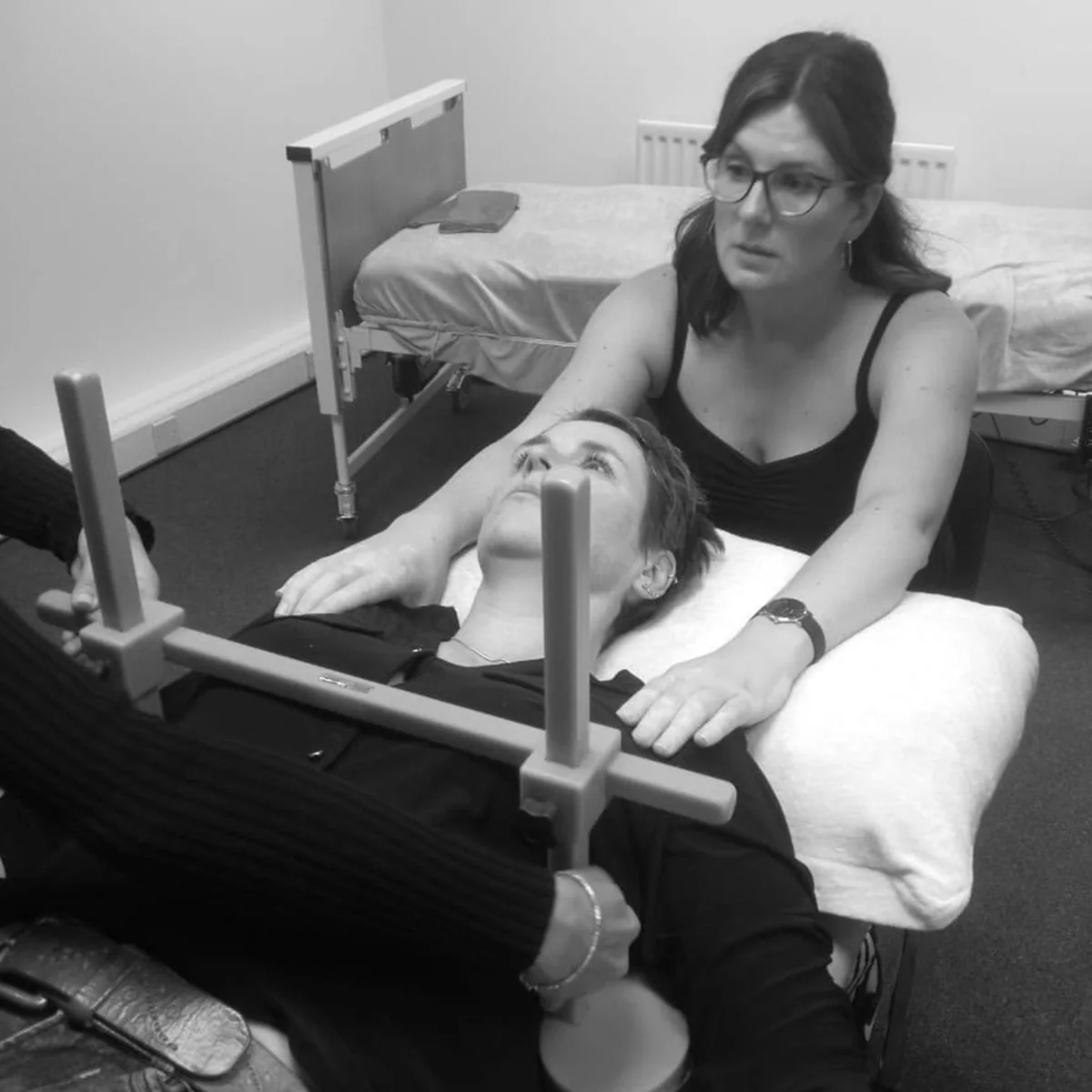
Wheelchair seating affects far more than how a person sits. It can influence comfort, mobility, communication, access to education or work, personal care, fatigue and the ability to take part in everyday activities. A specialist assessment brings these priorities together with a detailed understanding of posture and physical support needs.
The aim is not to select a product from a catalogue. It is to understand the person, identify what the seating system needs to achieve and establish how the wheelchair, seating components and wider environment can work together.

The service may help where needs are complex, current seating is no longer effective, discomfort or pressure concerns have emerged, or a new wheelchair or seating system is being considered. Referrals may also follow growth, injury, surgery, a change in function or a change in the person’s living, care or education environment.
Assessment usually includes discussion of clinical history, current concerns, goals, daily routines and environments. The clinician may examine posture and movement in and out of the wheelchair, consider the pelvis, trunk, head, upper and lower limbs, and review how the current system supports stability, function and comfort.
Mobility requirements, transfers, access, transport, controls, pressure risk information and the needs of carers may also be relevant. The scope depends on the referral and the individual; no single checklist replaces clinical reasoning.

Where equipment changes are indicated, we can liaise with suppliers and other professionals to explore suitable options. Trials allow the person and clinical team to consider support, fit, function, usability and compatibility before a final specification is agreed.
Recommendations may include adjustments to existing equipment as well as new components or systems. Clinical suitability, practical use, maintainability and cost all need to be considered, without allowing cost alone to displace the person’s assessed needs.
The agreed scope may include a clinical report, equipment specification, supporting rationale and liaison with referrers or commissioners. Final fitting and review are important: a component that appeared appropriate at trial still needs to be checked in use and adjusted where required.
Ongoing reassessment may be recommended when needs are likely to change. Website information cannot determine whether a particular wheelchair, cushion or seating system is suitable for an individual; that requires direct assessment.
Enquire
Tell us about the person’s circumstances and the support being considered. Our team can help clarify an appropriate next step.