24-hour posture management
Coordinate posture and support across the full day and night.



Specialist clinical service
A detailed assessment of posture, body shape, movement, function and positioning across the person’s daily life, interpreted within their wider clinical and environmental context.

Posture is shaped by many connected factors. A specialist postural assessment explores what can be seen and measured, but also how the person moves, communicates, rests, completes daily activities and responds to support. It places physical findings within the individual’s history, goals and real-world circumstances.
Assessment may be appropriate when posture is changing, asymmetry is evident, current positioning is difficult to maintain, equipment decisions are being made, or there is uncertainty about how seating and lying support should be coordinated.
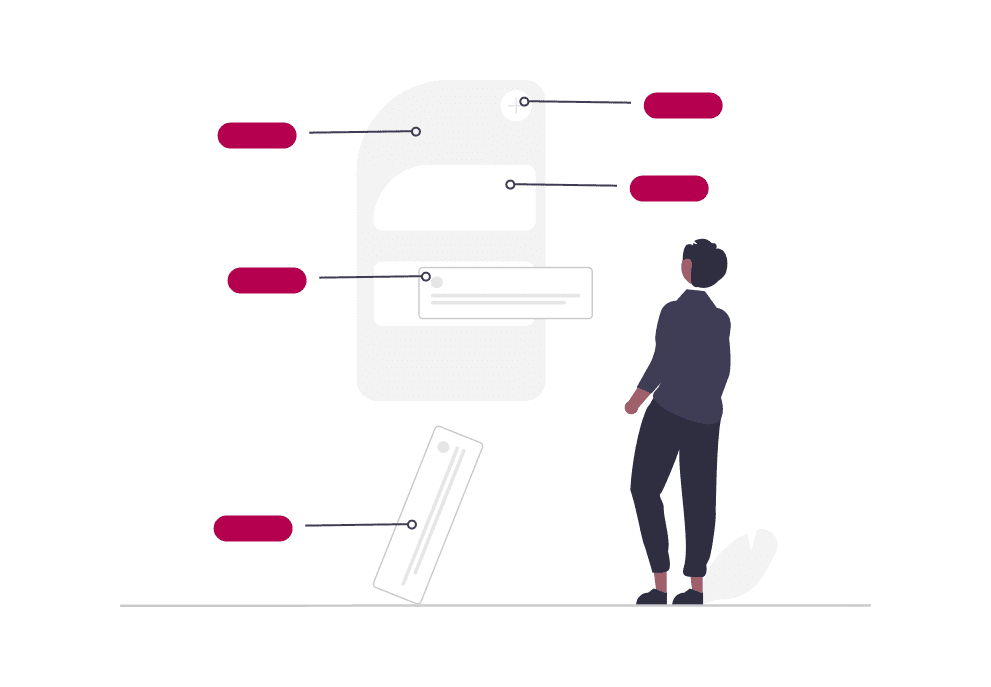
The precise assessment is tailored to the referral. It may consider the relationship between the pelvis, trunk, head and limbs; body shape and symmetry; available movement; muscle tone; pain; fatigue; skin and pressure risk information; respiratory or swallowing considerations already identified by the treating team; and the person’s ability to reposition.
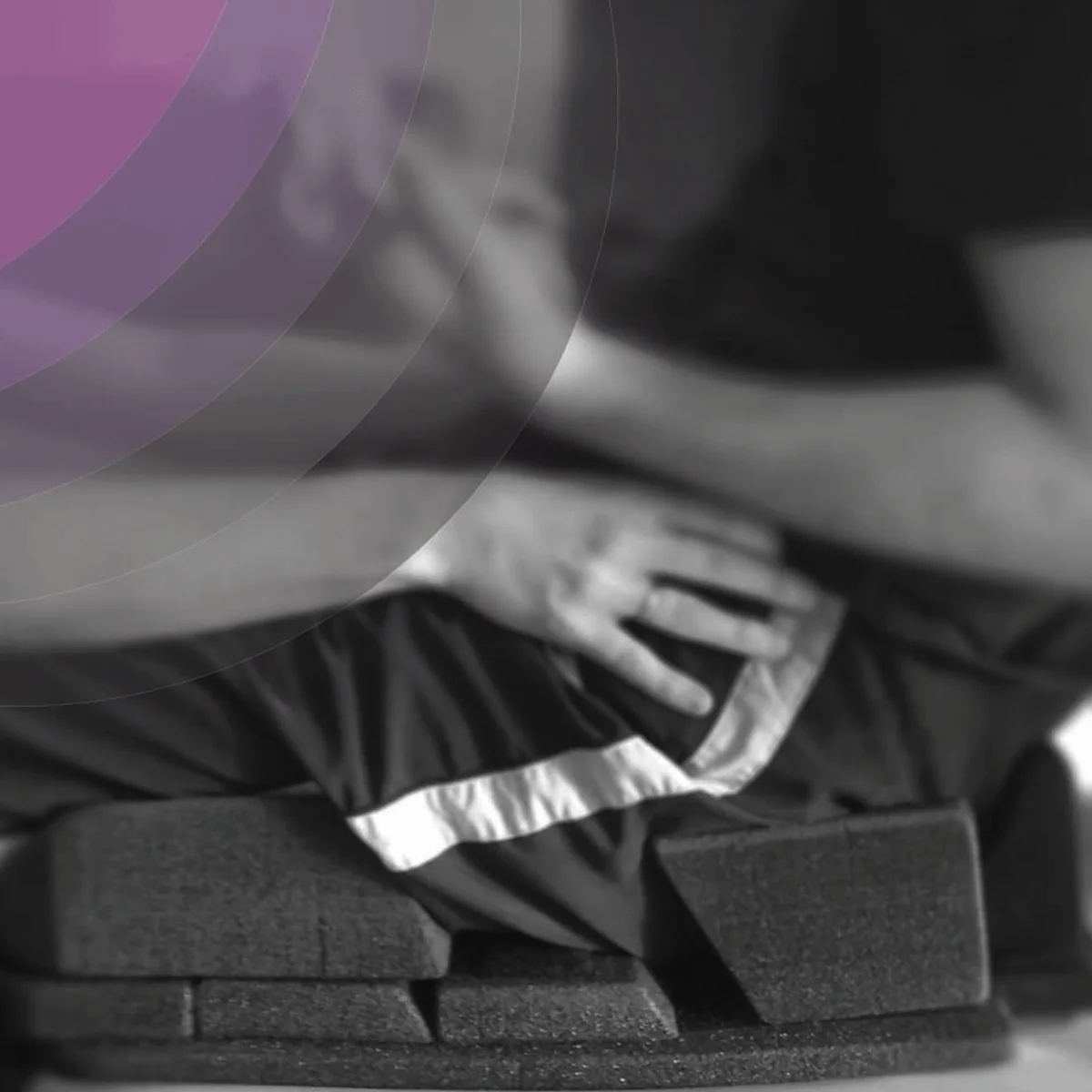
Where clinically appropriate, posture may be observed in the positions used during the day and night. Assessment outside existing equipment can help distinguish what is flexible from what is more established and show how different supports influence alignment, stability and function.
The clinician may review current seating, wheelchairs, cushions, beds, mattresses, lying supports or standing equipment. Any hands-on assessment is explained and undertaken with consent, dignity and the person’s comfort in mind.

Findings are interpreted rather than reported as isolated measurements. Recommendations may relate to positioning approaches, equipment adjustment, further trials, care-team guidance, liaison with other clinicians or planned reassessment. They should be realistic for the settings in which they will be used.
Where several professionals are involved, a shared understanding helps reduce fragmented decisions. We can contribute specialist posture and equipment reasoning while respecting the responsibilities of the person’s treating clinicians and wider multidisciplinary team.
The next step depends on the referral: it may be a written report, discussion with the referrer, equipment trials, changes to existing support or a wider 24-hour posture management plan. Review may be advisable after implementation or when the person’s presentation changes.
General descriptions on this page do not amount to an individual postural plan. Personal recommendations require appropriate clinical assessment.
Related support
Enquire
Tell us about the person’s circumstances and the support being considered. Our team can help clarify an appropriate next step.